The Ultimate Guide To Eating Smart On A Budget
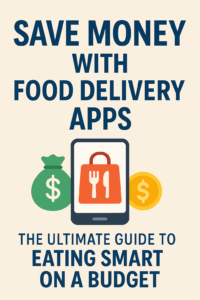
Food delivery apps like DoorDash, Uber Eats, Grubhub, and SkipTheDishes make it easy to enjoy restaurant meals from home — but the added fees can quickly eat away at your budget. The good news? There are plenty of ways to save money with food delivery apps without sacrificing convenience or flavor.
This guide covers the best tips, hacks, and strategies to help you get the most value out of your food delivery experience.
📲 Top Tips to Save Money on Food Delivery Apps
1. Use First-Time User Discounts
Most food delivery apps offer special introductory deals or promo codes for new customers. These often include:
- $10–$20 off your first order
- Free delivery for a set period
- Bonus credits after your first purchase
🛎️ Popular first-order promo examples:
- DoorDash: “WELCOME” or “GET20”
- Uber Eats: “EATS10”
- Grubhub: “GRUB5OFF”
2. Sign Up for Delivery Subscriptions
Frequent users can benefit from monthly delivery memberships:
- DashPass (DoorDash): $0 delivery + reduced fees on eligible orders
- Uber One: Free delivery + 5–10% off eligible orders
- Grubhub+: $0 delivery + exclusive deals
These subscriptions typically cost $9.99/month — worth it if you order more than twice monthly.
3. Order Pickup Instead of Delivery
You can still use apps like DoorDash or Uber Eats to place an order and pick it up yourself — skipping the delivery fee and often service charges too.
Bonus: Pickup orders tend to be ready faster and are great for avoiding surge pricing.
4. Use Group Ordering to Share Costs
If you’re ordering with roommates, friends, or coworkers, use the group order feature. It allows everyone to order from the same restaurant and split the delivery fee.
5. Browse the Offers or Promotions Tab
Most apps have a section for daily specials, limited-time promos, or restaurants offering free delivery or discounts like:
- $5 off $15
- BOGO meals
- Free items with purchase
Tip: Combine these with referral credits or promo codes for even bigger savings.
💡 Hacks and Habits That Help You Save
6. Avoid Ordering During Peak Hours
Ordering lunch or dinner during rush times (6–8 pm) can trigger higher fees and longer wait times. Try to order:
- Mid-morning (10–11 am)
- Late afternoon (2–5 pm)
- Weekdays instead of weekends
7. Stick to Budget-Friendly Restaurants
Use filters in the app to find lower-cost meals, such as:
- Fast-casual spots
- Combo meals
- “Under $10” menus
Avoid fancy add-ons and choose restaurants that already include sides, drinks, or extras.
8. Set a Food Delivery Budget
Use apps like Rocket Money, YNAB, or even your phone’s budgeting features to track your spending. Setting a weekly or monthly limit helps avoid surprise totals.
9. Watch for Cashback and Credit Card Rewards
Pay with a card that earns cashback or points on dining or delivery. Some great options include:
- Chase Freedom Flex
- American Express Gold
- Capital One SavorOne
- Find the Best Credit Cards For You!
Also check for Shop with Points on Amazon or bank offers linked to your food delivery account.
10. Refer Friends and Earn Credits
Most apps offer referral programs where you earn free credits after someone places their first order using your code.
🚀 For example:
- DoorDash: Up to $10+ per referral
- Uber Eats: $15–$20 for both parties
- Grubhub: Bonus credits after multiple referrals
🛒 Food Delivery Apps Savings Tips
If you use food delivery apps for groceries (like Instacart, Walmart+, or DoorDash Grocery), here are more ways to save:
11. Use Coupons and Digital Store Discounts
Check for store-specific digital coupons within the app. Many stores honor the same discounts you’d find in-store.
12. Use EBT/SNAP Benefits if Eligible
DoorDash and Instacart are expanding access for SNAP/EBT-eligible users, especially for essential grocery delivery.
13. Buy in Bulk or Combo Deals
When ordering essentials like snacks, frozen meals, or drinks, look for multi-item bundles or BOGO grocery deals.
🧾 Advanced Savings Strategies
14. Stack Offers
Combine:
- Referral credits
- Promo codes
- In-app deals
- Cashback card rewards
You could easily save $15–$30 or more on a single order using layered promotions.
15. Monitor Flash Sales and App Notifications
Enable push notifications for flash sales like:
- $0 delivery weekends
- National Food Day discounts (Pizza Day, Taco Tuesday)
- Surprise “Happy Hour” deals
16. Skip Drinks and Sides
These often come with a heavy markup. Stick to the main dish, and grab your drink or dessert from your fridge or pantry to avoid extra costs.
17. Try Competing Apps for Better Deals
Download multiple food delivery apps and compare prices before ordering. The same meal could cost $5–$10 less on a different platform depending on fees and promotions.
Conclusion: Eat Smarter, Not Costlier
Food delivery doesn’t have to break the bank. With these money-saving hacks for food delivery apps, you can enjoy convenience and stick to your budget.
Whether you’re a student, a busy parent, or just someone who loves takeout, these tips will help you spend less — and maybe even score a free meal or two.
Ready to Save Even More?
Don’t forget to check out our companion guide:
👉 17 Smart Ways to Save Money with DoorDash