Teach English as a Second Language (ESL) Side Hustle

Looking for an easy side hustle to boost your income while helping others? If you’re fluent in English, you can teach English as a second language (ESL) side hustle and earn money from anywhere. Whether you want to save for a big purchase, pay off debt, or just have extra cash each month, teaching ESL is a great way to achieve your financial goals without requiring a specialized degree or extensive experience.

📌 Quick Overview

✅ Initial Investment:

  • A computer/laptop with a webcam
  • Reliable internet connection
  • Headset with a microphone
  • Some platforms may require TEFL certification ($30–$100 for budget-friendly options)

✅ Skills Required:

  • Fluent or native-level English
  • Basic communication and teaching skills
  • Patience & cultural awareness

✅ Time Commitment:

  • 5–20 hours per week for meaningful earnings
  • Flexible hours based on student demand

✅ Potential Earnings:
💰 $10–$30/hour (depending on platform & experience)
💰 $15–$50/hour (for private tutoring, specialized lessons like TOEFL prep)

✅ Target Audience/Market:

  • International students needing English improvement
  • Business professionals learning English for work
  • Parents seeking tutors for their children
  • Immigrants adjusting to English-speaking countries

⚖️ Pros & Cons

Pros:
✔ Work from anywhere (remote-friendly)
Flexible schedule – set your own hours
✔ No teaching degree required (some platforms require certification, but not all)
✔ Great for social people who enjoy teaching

Cons:
✖ Inconsistent income depending on demand
✖ Some platforms take a commission on earnings
✖ May need TEFL certification for higher-paying opportunities


🚀 Getting Started – Quick Action Plan

1️⃣ Choose a platform: Sign up for Cambly, Preply, iTalki, or VIPKid
2️⃣ Set up your teaching space: Get a good headset, webcam, and quiet environment
3️⃣ Create an engaging profile: Highlight your skills, language expertise, and friendly approach
4️⃣ Start with lower pricing: Gain reviews and attract students
5️⃣ Promote your services: Offer trial lessons, advertise on Facebook groups, Craigslist, or LinkedIn


💡 Examples & Tools to Use

📌 Popular Platforms:

  • Cambly – No experience needed, casual conversation practice
  • Preply – Set your own rates, structured lessons available
  • iTalki – One-on-one tutoring with flexible pricing

🎯 Recommended Tools:

Teaching English as a Second Language (ESL) side hustle is a low-cost, high-reward way to make extra money while helping others learn. With flexibility, remote options, and global demand, it’s a great side hustle for anyone looking to save money while earning extra income!


Why Teach English as a Second Language (ESL) as a Side Hustle?

English as a second language

Teaching ESL is a low-barrier, flexible, and rewarding way to make extra money. Here’s why it’s an excellent side hustle:

Flexible Schedule: Choose your hours and work part-time.
No Teaching Degree Required: Many platforms only require fluency in English.
Work from Anywhere: Teach online or in-person.
Steady Demand: Millions of students worldwide are looking for English teachers.

How to Get Started with an English as a Second Language Side Hustle

1. Choose Your Teaching Format

There are two main ways to teach English as a Second Language as a side hustle:

  • Online Teaching: Ideal for remote work with platforms like Preply, Cambly, or iTalki.
  • In-Person Tutoring: Teach local students in your area or offer private lessons.

2. Pick a Teaching Platform

If you prefer online teaching, here are some beginner-friendly platforms to consider:

  • Cambly – No teaching experience required; casual conversation with students.
  • VIPKid – Structured lessons for kids, requires a bachelor’s degree.
  • iTalki – Set your own rates and teach conversational English.
  • Preply – Flexible teaching with options to tutor both kids and adults.

For in-person lessons, advertise your services on:

  • Craigslist
  • Facebook Marketplace
  • Local community centers

3. Get the Right Equipment

To teach ESL online, you’ll need:
A laptop or tablet
A good headset with a microphone
✔ A stable internet connection
A webcam for video lessons

Suggested Product: Logitech C920 HD Webcam – High-quality video for online classes.

How Much Can You Earn?

💰 Online Platforms: $10–$30 per hour
💰 Private Tutoring: $15–$50 per hour (higher if you specialize in test prep like TOEFL or IELTS)

Your earnings depend on:
✅ Experience & qualifications
✅ The platform you use
✅ The number of hours you work

Tips to Succeed as an English as a Second Language Tutor

🔹 Be Patient & Encouraging: Language learners need confidence boosts!
🔹 Use Engaging Materials: Flashcards, videos, and real-world examples make lessons fun.
🔹 Market Yourself: Create a LinkedIn profile or personal website to attract students.
🔹 Offer Trial Lessons: Give potential students a free or discounted first session to build trust.

Who is This Side Hustle Best For?

✔ Stay-at-home parents
✔ College students
✔ Freelancers looking for extra income
✔ People who want a remote side hustle

If you’re comfortable chatting, teaching basic English skills, and helping students gain confidence, this could be a perfect side hustle for you!

Start Your English as a Second Language Side Hustle Today

Teaching English as a second language (ESL) side hustle is one of the easiest and most flexible ways to earn extra money. Whether you want to work online or in person, there are tons of opportunities to start teaching today.

Ready to get started? Sign up on Cambly, Preply, or iTalki and start making money with your English skills today!

Do you have experience teaching ESL? Share your tips in the comments below!

Learn about more side hustles to help make more money

How To Start A Profitable Yard Work or Snow Shoveling Side Hustle + Checklist

Looking for an easy way to make extra cash without a huge upfront investment? A yard work or snow shoveling side hustle is a great way to earn money, especially if you’re trying to save for a financial goal, pay off debt, or just boost your income.

These side hustles require minimal equipment, can be done on a flexible schedule, and provide an immediate return on your effort. Whether you’re raking leaves, mowing lawns, or shoveling snow, homeowners are always looking for reliable help.

In this guide, you’ll learn how to start, price your services, find customers, and maximize your earnings from a yard work or snow shoveling side hustle.

Key Steps to Starting a Yard Work or Snow Shoveling Side Hustle

1. Determine Your Services

Before getting started, decide what services you’ll offer. Your options will depend on the season and your local demand.

Yard Work Services (Spring, Summer, Fall)

  • Lawn mowing
  • Leaf raking and removal
  • Hedge trimming
  • Garden weeding
  • Mulching
  • Power washing driveways

Snow Shoveling Services (Winter)

  • Clearing driveways and walkways
  • De-icing with salt or sand
  • Removing snow from cars
  • Roof snow removal (only if safe)

2. Gather Necessary Equipment

You don’t need expensive tools to get started. You might already own most of what you need!

Basic Yard Work Tools:

Snow Shoveling Tools:

💡 Pro Tip: Start with basic equipment and reinvest earnings into better tools as you grow your side hustle.

3. Set Your Pricing

Pricing depends on your location, service type, and competition. A good starting point is:

Yard Work Pricing:

  • Lawn mowing: $30 – $60 per yard
  • Leaf removal: $50 – $150 per session
  • Hedge trimming: $40 – $100 per job

Snow Shoveling Pricing:

  • Sidewalk and driveway shoveling: $25 – $75 per house
  • Ice removal: $10 – $50 per job
  • Monthly snow removal subscription: $100 – $300 per month

💡 Pro Tip: Offer package deals (e.g., “weekly mowing for $100/month”) to secure repeat customers.

4. Find Customers Quickly

Finding your first few customers is key to building momentum. Try these methods:

  • Word of Mouth – Tell friends, family, and neighbors about your services.
  • Social Media – Post on Facebook groups, Nextdoor, and local classifieds.
  • Flyers & Posters – Place them in community centers, laundromats, and stores.
  • Door-to-Door Marketing – Knock on doors in neighborhoods with large yards or heavy snowfall.
  • Gig Apps – List your services on TaskRabbit, Thumbtack, or Craigslist.

💡 Pro Tip: Offer a discount for first-time customers or referrals to encourage word-of-mouth growth.

5. Maximize Your Earnings

Want to turn this into a serious income stream? Follow these strategies:

  • Upsell Additional Services – Offer de-icing after snow removal or trimming after mowing.
  • Secure Repeat Clients – Offer weekly, biweekly, or seasonal service packages.
  • Hire Helpers – If demand grows, bring in a friend or hire workers to take on more jobs.
  • Go Digital – Create a simple website or social media page to attract local customers.

A yard work or snow shoveling side hustle is one of the easiest ways to earn extra income with minimal investment. With the right approach, you can quickly build a steady flow of clients and maximize your earnings throughout the year.

Ready to start earning extra cash with a simple, flexible side hustle?

Whether you choose yard work or snow shoveling, the demand is always there! Start today by reaching out to neighbors, setting your prices, and getting your first job.

Have experience with yard work or snow removal? Share your tips in the comments below! Looking for more side hustle ideas? Stayed tuned for more easy ways to make extra money!
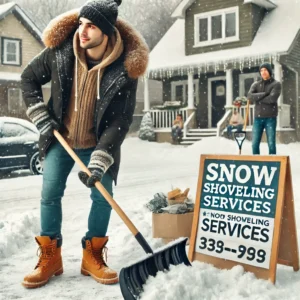
So, grab your tools and start making money today!


How to Start a Yard Work Side Hustle: The Ultimate Checklist

Yard Work Side Hustle

Use this checklist to quickly start your yard work side hustle. Follow these steps to get prepared, find customers, and maximize your earnings!

1. Choose Your Services

Decide what services you’ll offer based on demand in your area:
✅ Lawn mowing
✅ Leaf raking and removal
✅ Hedge trimming
✅ Garden weeding
✅ Mulching
✅ Power washing driveways

2. Gather Necessary Equipment

Start with the basics and upgrade as you grow:
Lawn mower (or rent one if needed)
Rake and leaf blower
Hedge trimmer
Gardening gloves and safety gear
Trash bags for leaf/yard waste collection

3. Set Your Pricing

Determine competitive and fair pricing:
✅ Research local competition rates
✅ Price based on time, effort, and service complexity
✅ Offer package deals (e.g., weekly lawn care subscriptions)

4. Find Your First Customers

Start promoting your services with these methods:
✅ Tell family, friends, and neighbors
✅ Advertise in local Facebook groups and Nextdoor
✅ Print flyers and post them in community areas
✅ Knock on doors in neighborhoods with large yards
✅ List services on gig platforms like TaskRabbit or Craigslist

5. Maximize Your Earnings

Increase profits by expanding your offerings and securing repeat clients:
✅ Upsell additional services (e.g., trimming, power washing)
✅ Offer seasonal contracts for recurring customers
✅ Consider hiring a helper to take on more jobs
✅ Create a social media page or simple website for marketing

6. Stay Organized

Keep track of clients and income to grow your business:
✅ Maintain a schedule for booked jobs
✅ Track earnings and expenses
✅ Reinvest in better tools as the business grows

💡 Pro Tip: Consistency and reliability will help you get repeat customers and referrals. Start small, build a reputation, and expand your services as demand increases.

🚀 Ready to start? Follow this checklist and get your yard work side hustle up and running today!


How to Start a Snow Shoveling Side Hustle: The Ultimate Checklist

Snow Shoveling Side Hustle

Use this checklist to quickly start your snow shoveling side hustle. Follow these steps to get prepared, find customers, and maximize your earnings!

1. Choose Your Services

Decide which snow removal services to offer:
✅ Shoveling driveways and sidewalks
✅ De-icing with salt or sand
✅ Removing snow from cars
✅ Roof snow removal (only if safe and necessary)
✅ Snowblowing (if you have or rent a snowblower)
✅ Offering emergency snow removal services

2. Gather Necessary Equipment

Start with essential tools and upgrade as needed:
Sturdy snow shovel (ergonomic if possible)
Snowblower (optional but useful for large jobs)
Ice melt, salt, or sand for de-icing
Waterproof gloves, insulated boots, and warm clothing
✅ A snow brush and ice scraper for vehicles
Heavy-duty sled or cart for carrying equipment

3. Set Your Pricing

Determine competitive rates based on local demand:
✅ Research local snow removal rates
✅ Charge based on driveway size and snow depth
✅ Offer per-visit pricing and seasonal contracts
✅ Provide discounts for referrals or recurring customers

4. Find Your First Customers

Promote your services using multiple channels:
✅ Tell family, friends, and neighbors
✅ Advertise in local Facebook groups and Nextdoor
✅ Post flyers in grocery stores, community centers, and gas stations
✅ Knock on doors after heavy snowfall offering your services
✅ List services on gig platforms like TaskRabbit or Craigslist
✅ Offer a discount for first-time customers

5. Maximize Your Earnings

Increase your profitability with these strategies:
✅ Offer subscription-based services (monthly snow removal plans)
✅ Upsell de-icing services for extra income
✅ Charge extra for emergency or last-minute jobs
✅ Partner with other local service providers (e.g., landscapers)
✅ Expand into other winter services like firewood delivery

6. Stay Organized

Keep track of clients and income to grow your business:
✅ Maintain a schedule of booked jobs
✅ Track payments and expenses
✅ Use a mobile payment option (Venmo, PayPal, Cash App)
✅ Invest in better equipment as demand increases

💡 Pro Tip: Be reliable! Customers will stick with you if you show up on time and provide good service.

🚀 Ready to start? Follow this checklist and get your snow shoveling side hustle running today!

Learn about more side hustles to help make more money

How To Save Money With Weekly Paycheck: Smart Strategies For Financial Stability

Living on a weekly paycheck can feel challenging, especially when you’re trying to save money. However, with careful planning and disciplined habits, it’s entirely possible to build savings even with a shorter pay cycle. Whether you’re working a part-time job, freelancing, or earning hourly wages, here are practical tips to help you save money with weekly paycheck.

1. Create a Weekly Budget

A budget is your roadmap to financial success. Here’s how to create one:

  • Track Your Income: Write down your exact take-home pay each week.
  • List Your Expenses: Categorize your spending into fixed expenses (rent, utilities, transportation) and variable expenses (groceries, entertainment).
  • Set Savings Goals: Allocate a specific amount or percentage of your paycheck to savings before spending on anything else.

Apps like Mint, YNAB (You Need a Budget), or even a simple spreadsheet can help you stay on track.

2. Pay Yourself First

Treat savings like a non-negotiable expense. As soon as you receive your paycheck:

  • Transfer a set amount (e.g., 10-20%) directly into a savings account.
  • Use automatic transfers to make this process effortless.
  • Start small if necessary—even 10or20 a week adds up over time.

3. Use the Envelope System

The envelope system is a cash-based budgeting method that works well for weekly paychecks:

  • Divide your paycheck into categories like groceries, transportation, and entertainment.
  • Place the allocated cash into labeled envelopes.
  • Once the envelope is empty, stop spending in that category for the week.

This method helps you avoid overspending and stay within your budget.

4. Cut Back on Non-Essentials

Identify areas where you can reduce spending:

  • Limit Dining Out: Cook meals at home and pack lunches for work.
  • Cancel Unused Subscriptions: Review streaming services, gym memberships, or other recurring charges.
  • Shop Smarter: Use coupons, buy generic brands, and take advantage of sales.

5. Plan for Irregular Expenses

Unexpected expenses can derail your savings. Prepare for them by:

  • Setting aside a small amount each week for emergencies (e.g., car repairs, medical bills).
  • Creating a separate savings category for annual expenses like insurance premiums or holiday gifts.

6. Avoid Impulse Purchases

Impulse buying can quickly eat into your weekly paycheck. To avoid it:

  • Make a shopping list and stick to it.
  • Wait 24 hours before making non-essential purchases.
  • Unsubscribe from marketing emails that tempt you to spend.

7. Take Advantage of Discounts and Rewards

Stretch your paycheck further by:

  • Using cashback apps like Rakuten or Honey.
  • Signing up for loyalty programs at your favorite stores.
  • Shopping during sales or using student/military discounts if applicable.

8. Increase Your Income

If your weekly paycheck isn’t enough to cover expenses and savings, consider:

  • Side Gigs: Freelancing, tutoring, or driving for rideshare services.
  • Selling Unused Items: Declutter your home and sell items online or at a garage sale.
  • Asking for a Raise: If you’ve been at your job for a while, it may be time to negotiate a higher wage.

9. Save Windfalls

Put unexpected money—like tax refunds, bonuses, or gifts—directly into savings. This can help you build your emergency fund or reach financial goals faster.

10. Use Cash Instead of Cards

Paying with cash can help you stay mindful of your spending. When you physically see the money leaving your wallet, you’re less likely to overspend.

11. Plan Your Meals

Food is one of the most flexible expenses in your budget. Save money by:

  • Meal prepping for the week.
  • Buying in bulk and freezing leftovers.
  • Avoiding convenience foods and snacks.

12. Set Short-Term Savings Goals

Having a clear goal can motivate you to save. For example:

  • Save $500 for an emergency fund.
  • Save $200 for a weekend getaway.
  • Save $100 for a new pair of shoes.

Break these goals into weekly amounts to make them more achievable.

13. Avoid High-Interest Debt

Credit card debt and payday loans can quickly drain your paycheck. To avoid them:

  • Pay off your credit card balance in full each month.
  • Build an emergency fund to cover unexpected expenses.
  • Seek financial counseling if you’re struggling with debt.

14. Track Your Progress

Regularly review your budget and savings to see how you’re doing:

  • Celebrate small wins, like reaching a savings milestone.
  • Adjust your budget as needed to stay on track.

15. Stay Motivated

Saving money on a weekly paycheck requires discipline, but the rewards are worth it. Remind yourself of your financial goals, whether it’s buying a home, traveling, or achieving financial independence.

Saving money with weekly paycheck is all about planning, prioritizing, and making intentional choices. By creating a budget, cutting unnecessary expenses, and finding ways to increase your income, you can build savings and achieve financial stability—even on a tight budget. Remember, every dollar saved brings you closer to your goals, so start small and stay consistent. You’ve got this!

How To Save Money With Air Conditioning

Saving money on air conditioning can be achieved by using energy-efficient habits, making adjustments to your AC settings, and optimizing your home for better cooling. Here are practical ways to reduce air conditioning costs:

1. Adjust the Thermostat

  • Set a Higher Temperature: Set your thermostat to the highest comfortable temperature, typically around 78°F (25.5°C) when you’re home. Every degree you raise the thermostat can reduce cooling costs by about 3-5%.
  • Raise the Temperature When You’re Away: Increase the thermostat by 7-10 degrees when you’re not at home to save up to 10% on cooling costs annually.
  • Use a Programmable Thermostat: Programmable or smart thermostats adjust the temperature automatically based on your schedule, reducing the cooling load when you’re asleep or away.

2. Use Ceiling Fans and Portable Fans

  • Circulate Air with Ceiling Fans: Ceiling fans help circulate cool air, making you feel cooler without lowering the thermostat. Set ceiling fans to rotate counterclockwise in summer.
  • Combine Fans with AC: Use fans along with the AC to feel cooler at higher temperatures. This allows you to raise the thermostat by a few degrees, cutting energy costs.

3. Close Blinds and Curtains

  • Block Out Sunlight: Sunlight through windows can increase indoor temperatures significantly. Use blinds, shades, or blackout curtains to reduce heat gain and keep your home cooler.
  • Install Reflective Window Film: Reflective film on windows blocks UV rays and reduces the amount of heat entering your home. This helps keep temperatures down, especially in rooms with direct sunlight.

4. Seal Doors and Windows

  • Check for Air Leaks: Small gaps around windows and doors let warm air in and cool air out. Seal gaps with weatherstripping, caulking, or door sweeps to prevent air leaks.
  • Close Doors to Unused Rooms: If you’re only using certain rooms, close doors to other rooms so the AC doesn’t cool spaces you aren’t using.

5. Maintain Your AC Unit

  • Replace or Clean Air Filters: Dirty filters reduce efficiency by restricting airflow, causing the AC to work harder. Replace or clean filters every 1-3 months during peak use.
  • Schedule Regular Maintenance: Have a professional inspect and tune up your AC system annually. Proper maintenance ensures it runs efficiently, reduces the risk of breakdowns, and extends the lifespan of your unit.
  • Clean the Outdoor Unit: Remove any debris, dirt, or leaves around the outdoor unit to allow proper airflow. Blocked airflow can reduce efficiency and increase energy costs.

6. Upgrade to an Energy-Efficient AC Unit

  • Consider an Energy-Efficient Model: If your AC unit is over 10-15 years old, consider upgrading to a modern, energy-efficient model with a high SEER (Seasonal Energy Efficiency Ratio) rating. Newer models use less energy to cool your home.
  • Look for Energy Star Certified Units: Energy Star-rated air conditioners meet energy efficiency standards and can save you up to 15% on cooling costs.

7. Reduce Internal Heat Sources

  • Use Appliances Strategically: Use heat-generating appliances like ovens, stoves, and dryers during cooler times of the day (early morning or late evening) to prevent adding heat to your home.
  • Switch to LED Lights: Incandescent bulbs emit more heat, increasing cooling needs. LED lights are cooler and use less electricity, helping reduce both lighting and cooling costs.
  • Limit Electronics Use: Electronics generate heat. Turn off devices like computers, TVs, and chargers when not in use to avoid unnecessary heat.

8. Install a Whole-House Fan or Attic Fan

  • Whole-House Fans: These fans pull cool air in through open windows and exhaust hot air through the attic, cooling your home naturally and reducing the need for AC.
  • Attic Ventilation: Heat buildup in the attic can increase indoor temperatures. Adding an attic fan or ventilation helps remove hot air, making it easier to keep your home cool.

9. Use Dehumidifiers

  • Reduce Humidity Levels: High humidity makes the air feel warmer and more uncomfortable. A dehumidifier can reduce indoor humidity, allowing you to feel cooler at a higher temperature setting.
  • Combined Cooling and Dehumidifying: Many air conditioners have a “dry” or dehumidifying mode. Using this feature can help you maintain comfort without running the AC as frequently.

10. Optimize Your Home’s Insulation

  • Insulate Walls and Attic: Good insulation prevents heat from entering and keeps cool air inside. Proper insulation can reduce energy costs significantly, making your AC work less.
  • Seal Ducts: Leaky ducts waste cool air, forcing your AC to work harder. Have your ducts inspected and sealed to maximize cooling efficiency.

11. Set Up a Cooling Zone

  • Cool Only the Most-Used Areas: Set up a cooling zone in rooms you use most frequently, such as the living room and bedroom. Close vents and doors in unused rooms to focus cooling on areas where you spend the most time.

12. Use “Sleep Mode” or Timer Features

  • Set AC to Sleep Mode: Many AC units have a “sleep” or “eco” mode that gradually raises the temperature while you sleep, saving energy.
  • Use a Timer: If your AC has a timer feature, set it to turn off a bit before you wake up or come home. This reduces the time it’s running when cooling isn’t essential.

13. Plant Trees and Use Outdoor Shade

  • Plant Trees Strategically: Plant shade trees or shrubs outside sun-facing windows to block heat and reduce indoor temperatures. This natural shade keeps your home cooler.
  • Install Awnings or Exterior Shades: Exterior shades, awnings, or reflective window films reduce solar heat gain, lowering the temperature indoors without relying on AC.

14. Install Ceiling Fans or Mini-Splits as Alternatives

  • Use Ceiling Fans to Cool Specific Rooms: If it’s only slightly warm, ceiling fans alone may be enough to stay comfortable without turning on the AC.
  • Consider Mini-Split AC Units: Mini-splits cool individual rooms without cooling the entire house, which can be more efficient if you only need certain rooms cooled.

By combining thermostat adjustments, energy-efficient practices, and proper maintenance, you can significantly reduce your air conditioning costs. Small changes, like using fans, blocking sunlight, and upgrading insulation, help improve comfort and save on your energy bill over time.

Do You Save Money With Sodastream

Using a SodaStream can save you money over time, especially if you regularly buy sparkling water or soda. Here’s a breakdown of how much you might save with a SodaStream and what factors to consider:

1. Initial Investment

  • SodaStream Machine: The upfront cost of a SodaStream machine ranges from $70 to $150, depending on the model.
  • CO₂ Canisters: Each canister costs around $15 to $30 to refill (depending on the retailer and whether you exchange an empty canister for a new one).
  • Reusable Bottles: SodaStream bottles usually come with the machine, but additional bottles cost about $10 to $15 each.

2. Cost per Liter of Carbonated Water

  • CO₂ Refills: One CO₂ canister makes about 60 liters of sparkling water. At $15 per refill, that’s $0.25 per liter.
  • Tap Water Cost: The cost of tap water is minimal, often a fraction of a cent per liter.
  • Total Cost per Liter with SodaStream: Assuming $0.25 for CO₂ and minimal cost for water, each liter of homemade sparkling water costs around $0.25 to $0.30.

3. Comparison to Store-Bought Sparkling Water

  • Average Cost of Store-Bought Sparkling Water: Store-bought sparkling water typically costs between $1 and $1.50 per liter.
  • Potential Savings: If you drink one liter of sparkling water daily, the yearly cost would be:
    • SodaStream: About $91 to $109 (at $0.25 to $0.30 per liter).
    • Store-Bought: Around $365 to $547 (at $1 to $1.50 per liter).
    • Annual Savings: Using a SodaStream would save you approximately $250 to $450 per year if you drink a liter per day.

4. Additional Savings on Flavored Drinks

  • SodaStream Flavor Syrups: If you prefer flavored sparkling water or soda, SodaStream offers syrups for various flavors. These typically cost $5 to $7 per bottle and flavor about 12 liters, adding roughly $0.40 to $0.60 per liter.
  • Comparison to Canned Soda: Canned soda usually costs $0.50 to $1 per can (12 oz or about 0.35 liters). With SodaStream, you can make flavored drinks at around $0.65 to $0.90 per liter, saving up to 50% compared to buying cans.

5. Other Factors

  • Environment: SodaStream reduces plastic and aluminum waste from bottles and cans, making it an eco-friendly option if you’re a regular consumer of sparkling drinks.
  • Convenience: Having sparkling water at home saves you trips to the store and the hassle of carrying heavy bottles or cans.

Conclusion

Yes, you can save money with a SodaStream, especially if you regularly drink sparkling water or soda. For those who consume sparkling drinks daily, the savings can add up to $250 to $450 per year. The exact amount will depend on how much you drink and the model you choose, but after the initial investment, SodaStream is typically cheaper per liter than buying pre-bottled drinks.