How to Save Money on Rent: Practical Tips for Affordable Housing

Rent is often one of the largest monthly expenses for individuals and families. With rising housing costs in many cities, finding ways to save money on rent can significantly impact your budget and financial well-being. Whether you’re a first-time renter or looking to cut costs, here are practical strategies to help you save money on rent without sacrificing comfort or safety.

1. Choose the Right Location

Location plays a major role in determining rent prices. Consider these tips:

  • Look for Up-and-Coming Neighborhoods: Areas that are still developing often have lower rents compared to established, trendy neighborhoods.
  • Expand Your Search: Explore suburbs or nearby towns where rent may be more affordable, even if it means a slightly longer commute.
  • Avoid High-Demand Areas: Proximity to universities, business districts, or tourist hotspots can drive up rent prices.

2. Downsize Your Space

Smaller spaces typically come with lower rent. Ask yourself:

  • Do you really need that extra bedroom or large living room?
  • Could you live comfortably in a studio or one-bedroom apartment instead of a two-bedroom?
  • Are you willing to sacrifice square footage for a more affordable monthly payment?

Downsizing not only reduces rent but can also lower utility bills and maintenance costs.

3. Consider Roommates

Sharing your living space with roommates is one of the most effective ways to cut rent costs. Here’s how to make it work:

  • Split the rent and utilities evenly or based on room size.
  • Use platforms like Craigslist, Facebook Marketplace, or roommate-matching services to find compatible roommates.
  • Set clear boundaries and expectations to avoid conflicts.

4. Negotiate Your Rent

Many renters don’t realize that rent prices can sometimes be negotiated. Try these tactics:

  • Research Comparable Listings: Show your landlord similar units in the area with lower rents to justify your request.
  • Offer Something in Return: Propose signing a longer lease or paying a few months upfront in exchange for a discount.
  • Highlight Your Reliability: Emphasize your good credit score, stable income, or history of paying rent on time.

5. Look for Rent Specials or Incentives

Landlords and property management companies often offer promotions to attract tenants. Keep an eye out for:

  • Move-in specials (e.g., one month free or reduced security deposits).
  • Discounts for signing a longer lease.
  • Referral bonuses for bringing in new tenants.

6. Opt for Older Buildings

Newer apartment complexes often come with higher rents due to modern amenities. Older buildings may lack luxury features but can offer more affordable rates. Be sure to inspect the unit for safety and maintenance issues before signing a lease.

7. Reduce Utility Costs

While not directly related to rent, lowering utility bills can free up money in your budget. Look for:

  • Energy-efficient apartments with good insulation and modern appliances.
  • Units where utilities like water, gas, or internet are included in the rent.
  • Opportunities to conserve energy, such as using LED bulbs or unplugging unused devices.

8. Explore Alternative Housing Options

Think outside the box when it comes to housing:

  • Rent a Room: Instead of an entire apartment, consider renting a room in a house or shared living space.
  • House Sitting or Subletting: Some homeowners offer free or reduced rent in exchange for house sitting or property maintenance.
  • Co-Living Spaces: These shared housing arrangements often include utilities and amenities in the rent, making them cost-effective.

9. Time Your Move Strategically

Rent prices can fluctuate based on the season. For example:

  • Demand is often lower in winter months, leading to better deals.
  • Avoid moving during peak seasons like summer, when students and families are relocating.

10. Take Advantage of Government Programs

If you’re struggling to afford rent, look into government assistance programs:

  • Section 8 Housing Choice Voucher Program: Provides rental assistance for low-income individuals and families.
  • Local Housing Authorities: Many cities offer affordable housing options or rent subsidies.
  • Nonprofit Organizations: Some nonprofits provide rental assistance or resources for finding affordable housing.

11. Be Flexible with Lease Terms

Shorter leases may come with higher monthly rents, but they also offer flexibility. If you’re unsure about your long-term plans, a month-to-month lease might be worth the extra cost. On the other hand, committing to a longer lease can often secure a lower monthly rate.

12. Improve Your Credit Score

A good credit score can help you qualify for better rental opportunities and even lower rent. Landlords may be more willing to negotiate with tenants who have strong credit histories. Pay your bills on time, reduce debt, and check your credit report for errors to boost your score.

Saving money on rent requires a combination of research, flexibility, and creativity. By exploring different neighborhoods, considering roommates, negotiating with landlords, and taking advantage of incentives, you can find affordable housing that fits your budget. Remember, the goal is to balance cost with comfort and safety, so always prioritize your needs and long-term financial health.

With these tips, you’ll be well on your way to reducing your rent expenses and achieving greater financial freedom. Happy house hunting!

How To Save Money With A Challenge

Money-saving challenges can be a fun and structured way to save money consistently and reach your financial goals. Here are some popular money-saving challenges that can help you build your savings:

1. 52-Week Savings Challenge

  • How It Works: Start by saving $1 in the first week, then increase the amount by $1 each week. By week 52, you’ll save $52.
  • Goal: This challenge will help you save $1,378 by the end of the year.
  • Customizable: You can also reverse it (start with $52 and decrease by $1 each week) or start at a higher amount if you want to save more.

2. $5 Bill Challenge

  • How It Works: Each time you receive a $5 bill in change, set it aside in a jar or envelope. Resist the urge to spend these bills and save them until the end of the year.
  • Goal: The amount saved will depend on how frequently you receive $5 bills, but it can add up quickly!
  • Great for Cash Users: This challenge works well if you often use cash and get change.

3. 30-Day No-Spend Challenge

  • How It Works: Commit to spending only on essentials (such as rent, groceries, and utilities) for a full month. Avoid spending on extras like dining out, entertainment, or shopping.
  • Goal: This challenge is designed to help you identify spending habits, cut unnecessary expenses, and save whatever you would have spent on non-essentials.
  • Customizable: You can choose a category to focus on, like no eating out or no buying clothes.

4. Save the Change Challenge

  • How It Works: Each time you make a purchase, round up to the nearest dollar and save the “change” in a savings account or jar. For example, if you spend $2.75, set aside $0.25.
  • Goal: This challenge can save you $100-$200 or more over a year, depending on your spending habits.
  • Apps That Help: Apps like Acorns automate this challenge by rounding up purchases to the nearest dollar and transferring the difference into savings or investments.

5. The 365-Day Nickel Challenge

  • How It Works: Start by saving $0.05 on the first day, then add $0.05 more each day. For example, on Day 2, you save $0.10, on Day 3, you save $0.15, and so on.
  • Goal: By the end of the year, you’ll have saved $3,339.75.
  • Gradual Build-Up: This challenge is ideal if you prefer saving in small amounts that increase gradually.

6. The Pantry Challenge

  • How It Works: Instead of grocery shopping, commit to eating only from what you have in your pantry, fridge, and freezer for one week or more. Get creative with meal planning to use up ingredients you already have.
  • Goal: Save on grocery costs by using up food you already own. This challenge can help reduce food waste while saving you $50 to $200 in one month, depending on your typical grocery bill.
  • Short-Term Challenge: It’s easy to do and can be repeated every few months to maximize savings.

7. The Envelope Challenge

  • How It Works: Label 100 envelopes with numbers 1 to 100. Each week, draw a random envelope and save the amount written on it. For example, if you draw envelope 45, you set aside $45 that week.
  • Goal: If you complete all 100 envelopes, you’ll save $5,050.
  • Flexible: Draw envelopes weekly or biweekly, depending on your income and financial situation.

8. The Bi-Weekly Savings Challenge

  • How It Works: If you’re paid bi-weekly, start by saving $20 from each paycheck, then increase the amount by $5 every other paycheck. By the end of the year, you’ll save a significant amount without feeling much impact on your budget.
  • Goal: Save around $700 to $1,500 over the course of the year.
  • Perfect for Bi-Weekly Income: This challenge aligns with bi-weekly paychecks, making it easier to manage.

9. The Weather Wednesday Challenge

  • How It Works: Each Wednesday, check the weather forecast for the high temperature in your area and save that amount. If it’s 68°F, save $6.80, or if it’s 22°C, save $2.20.
  • Goal: This challenge can save you $300-$500 or more over a year.
  • Fun Twist: The unpredictability of the weather makes saving more interesting!

10. The Subscription Audit Challenge

  • How It Works: Review all your subscriptions (streaming services, gym memberships, apps) and cancel any you don’t use or need. Redirect the saved money to a savings account.
  • Goal: This can save you $20-$100 or more per month, depending on the number of subscriptions you cut.
  • Quick Win: This is a one-time challenge but can have ongoing savings.

11. The Reverse Savings Challenge

  • How It Works: Instead of starting with a small amount and increasing it, you start with the maximum amount you’d like to save each week and decrease it over time. For example, start with $52 in the first week and reduce it by $1 each week.
  • Goal: You’ll save $1,378 by the end of the year.
  • Easier Toward the End: This approach makes saving easier as the year progresses, giving you more financial flexibility when you may need it most.

12. The “No Spend Day” Challenge

  • How It Works: Designate one or more days per week as “no-spend days,” where you avoid spending money on anything that isn’t a necessity.
  • Goal: Aim to have at least 4-8 no-spend days per month. The savings can add up over time as you avoid impulse purchases or unnecessary spending.
  • Flexible: You can gradually increase the number of no-spend days as you get more comfortable.

13. The $1 a Day Challenge

  • How It Works: Set aside $1 every day in a jar or savings account. This is a straightforward way to save without much impact on your daily finances.
  • Goal: By the end of the year, you’ll have saved $365.
  • Easy to Start: Ideal if you’re new to saving, as it doesn’t require large amounts to get started.

14. The Cash-Only Challenge

  • How It Works: For one month, commit to using cash only for daily expenses. Withdraw a set amount each week and only use that cash for discretionary spending.
  • Goal: Track how much you save by avoiding credit cards or debit cards, as cash spending often leads to less impulsive spending.
  • Short-Term Challenge: This challenge can be done periodically to reset spending habits and increase awareness.

Conclusion

Money-saving challenges can help you build your savings and develop strong financial habits, and they’re adaptable to different income levels. Start with a challenge that fits your lifestyle and savings goals, and remember to celebrate your progress along the way!

How Much Money Do You Save With Cloth Diapers

Using cloth diapers can save you a substantial amount of money compared to disposable diapers, especially if you use them for more than one child. Here’s a breakdown of potential savings and costs associated with cloth diapers:

1. Cost of Disposable Diapers

  • Average Cost: Disposable diapers cost around $0.20 to $0.30 per diaper, depending on the brand. With the average baby using about 2,500 to 3,000 diapers in their first year, this can add up quickly.
  • Yearly Expense: If we assume an average cost of $0.25 per diaper and 8 changes per day, the yearly cost would be around $730. Over the typical diapering period of 2-3 years, this totals $1,800 to $2,200 for one child.

2. Cost of Cloth Diapers

  • Initial Investment: The upfront cost of cloth diapers varies based on the type (e.g., prefolds, all-in-ones, or pocket diapers) and brand. On average, a full set of cloth diapers costs between $200 and $500.
  • Accessories: Additional supplies, such as a diaper pail, wet bags, and reusable wipes, may add $50 to $100 to the initial cost.
  • Laundry Costs: Washing cloth diapers at home will add to your water, electricity, and detergent costs, averaging $5 to $20 per month. Over three years, laundry costs can total around $180 to $720.

3. Estimated Savings

  • Total Cloth Diapering Cost: With an upfront cost of $300 (average for diapers and accessories) plus $450 for three years of laundry, the total cost for cloth diapering over three years is approximately $750.
  • Comparing with Disposables: The average cost of disposable diapers over three years is around $2,000. By using cloth diapers, you could save $1,250 or more over three years for one child.
  • Savings with Multiple Children: If you use the same cloth diapers for a second child, you’ll save even more since you’ve already made the initial investment.

4. Additional Ways to Save

  • Buying Secondhand: Gently used cloth diapers are often available at a fraction of the original cost, which can further reduce your initial investment.
  • Resale Value: After your child is potty-trained, you can resell cloth diapers, potentially recouping some of the initial cost.
  • Reusable Wipes: Switching to cloth wipes instead of disposable ones can save additional money.

5. Environmental Savings

  • Less Waste: Cloth diapers reduce landfill waste, contributing to long-term environmental savings. Many families value this environmental benefit as an additional non-financial saving.

Conclusion

Switching to cloth diapers can save you around $1,250 to $2,000 per child, depending on the type of cloth diapers and laundry costs. Using cloth diapers for multiple children and reselling them afterward can increase these savings, making cloth diapering a financially savvy and eco-friendly choice.

Save Money With A Light Bulb Security Camera

Protect Your Home For Less With Light Bulb Security Cameras (Indoor & Outdoor)

When it comes to home security, many people assume they need to spend a fortune on complex systems. However, thanks to modern technology, you can enhance your home’s security while saving money with a light bulb security camera. These innovative devices combine a light source with a hidden camera, offering an affordable and discreet way to monitor your home.

How a Light Bulb Security Camera Helps You Save Money

1. Reduce Home Insurance Costs

Many insurance companies offer discounts on home insurance for homeowners who install security cameras. Having a light bulb security camera as part of your security setup can demonstrate to insurers that you are taking steps to protect your home, which can lead to lower premiums. Be sure to check with your insurance provider about available discounts for security systems.

2. Prevent Theft and Property Damage

A visible security system can be a strong deterrent to criminals. Thieves are less likely to target a home that has security cameras, reducing the risk of theft, vandalism, and property damage. This means you won’t have to deal with costly repairs or replacements of stolen items. Additionally, many light bulb security cameras come with motion detection alerts, which notify homeowners instantly of suspicious activity, allowing for quicker responses.

3. Save on Professional Security Services

Traditional home security systems often require expensive installation fees, monitoring subscriptions, and maintenance costs. A light bulb security camera offers a one-time purchase cost with no need for professional installation. Most models can be easily set up using a mobile app, eliminating the need for monthly monitoring fees. Some models even include free cloud storage or SD card recording options, eliminating the need for paid storage services.

4. Lower Energy Costs

Many light bulb security cameras come with energy-efficient LED lights, meaning they consume less electricity than traditional security lights. Some models also feature motion detection, so the light and camera activate only when necessary, helping you save on your electricity bill. This can be particularly useful for outdoor security, as you won’t have to keep bright floodlights on all night.

5. Multi-Functionality Saves You Money

Since light bulb security cameras serve a dual purpose (lighting and security), you save money by purchasing a single device instead of separate security cameras and outdoor lights. This makes them ideal for driveways, entryways, patios, garages, and indoor spaces.

Additional Benefits of a Light Bulb Security Camera

  • Remote Monitoring: Keep an eye on your home from anywhere using your smartphone.
  • Two-Way Audio: Communicate with visitors, delivery personnel, or potential intruders directly through the camera.
  • Night Vision: Many models feature infrared night vision to capture clear footage even in low light.
  • Cloud & Local Storage: Save recordings either in the cloud or on a microSD card for later viewing.
  • Easy Setup: No complicated wiring—just screw it into a standard light socket and connect to Wi-Fi.
  • Multiple Viewing Angles: Some models include pan-tilt-zoom (PTZ) features, allowing you to adjust the camera remotely.

Best Light Bulb Security Camera Options on Amazon

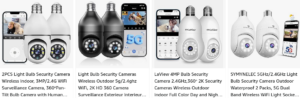
If you’re looking for an affordable security solution, consider some top-rated light bulb security cameras available on Amazon. Websites like BestLightBulbCamera.com review and recommend some of the most reliable models. Be sure to compare features like resolution, storage options, and connectivity before making a purchase.

light bulb security cameras

Additional Home Security Tips for Extra Savings

While a light bulb security camera is an excellent step toward affordable home security, here are a few more ways to protect your home while saving money:

  • Use Smart Locks: Upgrade to smart locks to eliminate the need for expensive locksmith services.
  • Install Motion Sensor Lights: Motion-activated lighting can deter intruders and save on electricity.
  • Secure Windows and Doors: Reinforce entry points with simple and affordable solutions like security bars and smart sensors.
  • Join a Neighborhood Watch: Collaborate with neighbors to enhance security without extra cost.
  • Display Security Stickers: Even if you don’t have a full security system, placing security stickers on doors and windows can deter criminals.

Affordable Security & Peace of Mind

Investing in a light bulb security camera is an easy and cost-effective way to enhance home security while saving money. Whether it’s reducing insurance premiums, preventing theft, or lowering energy costs, this simple device offers peace of mind without breaking the bank. By combining smart security solutions, simple deterrents, and community awareness, you can keep your home safe on a budget.

Looking for more ways to save money? Visit SaveMoneyWith.net for more budget-friendly tips and strategies!


12 Ways to Save Money on Car Insurance

Car insurance is an essential expense for drivers, but that doesn’t mean you have to overpay. By taking the time to understand your options and making strategic choices, you can lower your premiums while maintaining the coverage you need.

Here Are 12 Practical Ways To Save Money On Car Insurance:

1. Shop Around for the Best Rates

Insurance rates vary significantly between providers, so it pays to compare.

  • Get multiple quotes: Use comparison sites like The Zebra or Policygenius.
  • Review annually: Check rates regularly to ensure you’re still getting the best deal.
  • Negotiate: If you find a better rate elsewhere, ask your current insurer to match it.

2. Bundle Your Policies

Combining multiple insurance policies with the same provider can lead to discounts.

  • Combine auto and home insurance: Many companies offer significant savings for bundling.
  • Add other coverages: Include renters or life insurance for additional discounts.

3. Raise Your Deductible

A higher deductible can lower your monthly premiums.

  • Choose an affordable amount: Opt for a deductible you can comfortably pay in case of an accident.
  • Compare savings: Check how much raising your deductible reduces your premiums.

4. Maintain a Clean Driving Record

Safe driving is one of the most effective ways to lower your insurance costs.

  • Avoid accidents: Accidents and violations can increase your rates for years.
  • Take a defensive driving course: Many insurers offer discounts for completing an approved course.

5. Consider Telematics Programs

Telematics-based insurance tracks your driving habits and rewards safe driving.

  • Usage-based insurance: Programs like Progressive Snapshot or State Farm Drive Safe & Save monitor speed, mileage, and braking.
  • Earn discounts: Safe driving can result in reduced premiums over time.

6. Pay Your Premium Annually

Paying your premium in full can save you money.

  • Avoid installment fees: Monthly payments often come with extra charges.
  • Plan ahead: Budget for an annual lump sum payment to take advantage of discounts.

7. Drop Coverage You Don’t Need

Evaluate your policy to ensure you’re not paying for unnecessary coverage.

  • Older vehicles: Drop comprehensive and collision coverage if your car’s value is low.
  • Rental car reimbursement: Skip this if you have access to an alternative vehicle.

8. Ask About Discounts

Many insurers offer discounts that you might qualify for.

  • Good student discount: Students with high grades may qualify for reduced rates.
  • Low mileage discount: If you don’t drive often, you might pay less.
  • Vehicle safety features: Cars with anti-theft devices, airbags, and advanced safety systems often receive discounts.

9. Improve Your Credit Score

In many states, insurers use credit scores to determine premiums.

  • Pay bills on time: Consistent payments boost your score.
  • Reduce debt: Lower your credit utilization ratio to improve your credit profile.

10. Drive a Low-Risk Vehicle

Your car’s make and model impact your insurance rates.

  • Choose a car with high safety ratings: Insurers favor vehicles with strong safety features.
  • Avoid luxury cars: High-end cars cost more to repair and insure.

11. Opt for Pay-Per-Mile Insurance

If you’re a low-mileage driver, pay-per-mile insurance could save you money.

  • Pay based on usage: Companies like Metromile charge a base rate plus a per-mile fee.
  • Ideal for infrequent drivers: If you drive less than 10,000 miles per year, this could be a great option.

12. Regularly Review Your Coverage

Life changes can impact your insurance needs and premiums.

  • Notify your insurer: Let your provider know about changes, such as moving to a safer area or getting married, which can lower your rates.
  • Reassess coverage: Adjust limits and deductibles to reflect your current financial situation.

Final Thoughts

Saving money on car insurance requires regular reviews of your policy, smart choices, and taking advantage of discounts and programs. By implementing these 12 tips to save money on car insurance, you can reduce your premiums without compromising the coverage you need.

Looking for more money-saving tips? Visit savemoneywith.net for helpful guides and resources to help you reach your financial goals.